
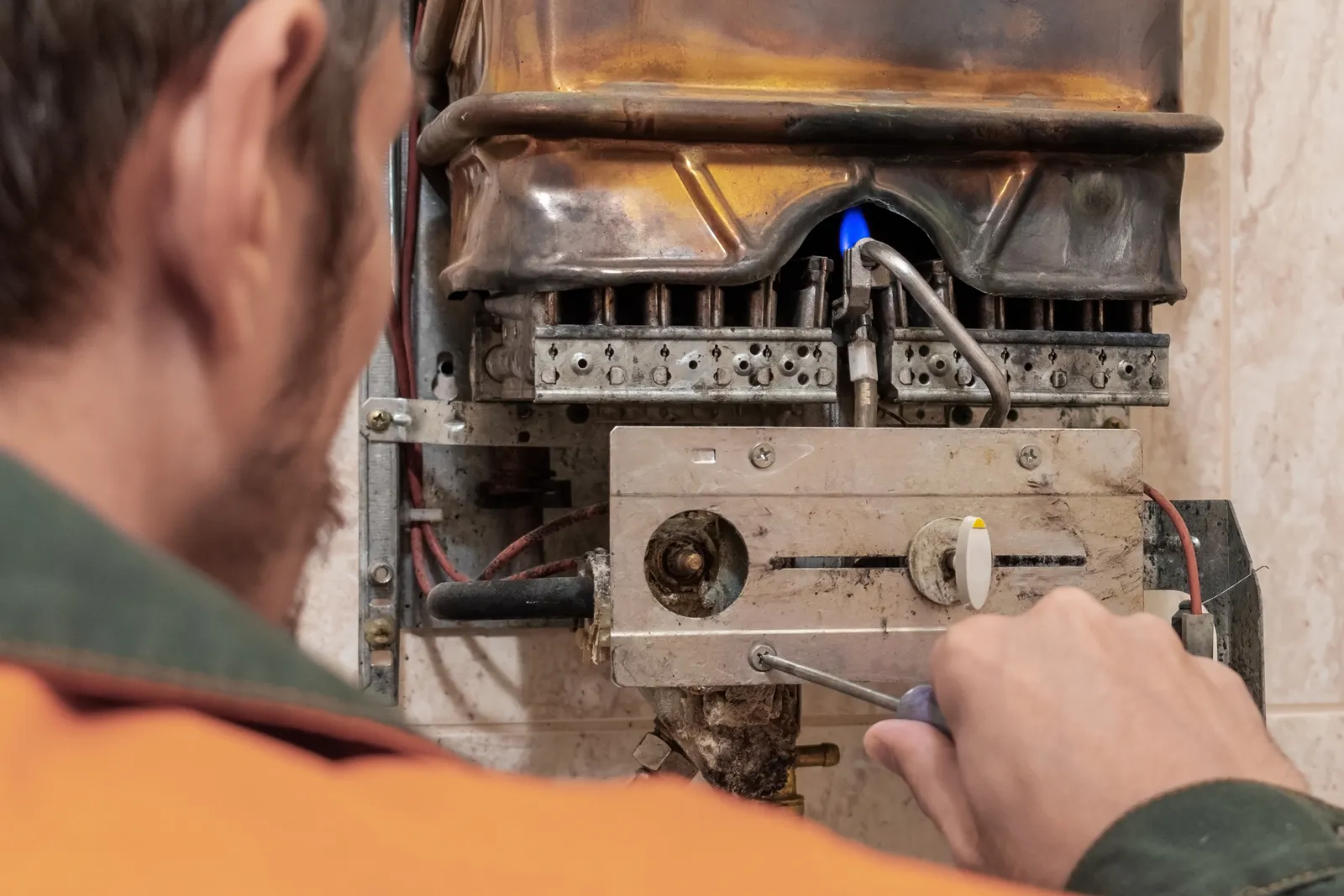
Picture this scenario, which plays out in homes like yours every winter. It's 3 a.m. in a 1960s-era colonial somewhere in Caldwell or Little Falls. A carbon monoxide detector starts shrieking from the upstairs hallway. The family wakes up groggy, gets out of the house, and calls 911. The fire department arrives, finds dangerous CO levels in the basement, and traces it back to a cracked heat exchanger in a 20-plus-year-old gas furnace that hadn't been professionally inspected in years.
Nobody died that night. Plenty of families in similar situations have.
HVAC safety hazards are the kind of thing most homeowners never think about until something goes wrong. The systems that heat and cool your home are also the systems most likely to leak carbon monoxide, start an electrical fire, or quietly grow mold in your ductwork. The risks are real, but they're also preventable. And in older North Jersey housing stock, where boilers and furnaces from the 1970s and 80s are still in service, paying attention to safety isn't paranoid. It's smart.
Here's what every homeowner in Passaic, Bergen, Essex, and Morris counties should know, ranked by how serious the hazard actually is.
Hazard #1: Carbon Monoxide
This is the one that kills people. The Centers for Disease Control reports roughly 50,000 emergency room visits and 430 deaths every year from accidental carbon monoxide exposure in the United States.
Carbon monoxide is a gas produced when fuel doesn't burn completely. It has no color, no smell, and no taste. You can't detect it without equipment. When you breathe it in, it binds to your red blood cells more aggressively than oxygen, which means your body starts oxygen-starving even though you're breathing normally.
Where CO Comes From in Your Home
Any appliance that burns fuel can produce CO:
Natural gas furnaces
Gas boilers
Gas water heaters
Gas stoves and ovens
Gas fireplaces
Wood stoves and fireplaces
Cars in attached garages
In North Jersey housing stock, the highest-risk setup is a gas furnace or boiler in a basement, close to bedrooms, in a home built before 1990. That's most of Little Falls, Caldwell, Hawthorne, and large parts of Montclair and Wayne.
The #1 Cause of Furnace CO Leaks
A cracked heat exchanger. The heat exchanger is the metal component inside your furnace that separates combustion gases from the air that gets blown into your home. Over time, expansion and contraction can crack the metal. When that happens, exhaust gases (including CO) can mix into your home's air supply.
Heat exchangers most often crack in furnaces over 15 years old. They can also fail earlier if the system has been short-cycling or running with restricted airflow for years.
Warning Signs of a CO Leak
Even with a working detector, watch for these:
Soot stains (black, brown, or yellow) around the furnace, vent pipes, or chimney
A yellow or flickering burner flame instead of a steady blue one
Stale, stuffy air in the house even when the system is running
Unusual smells, particularly a faint burning odor when the furnace kicks on
Excessive condensation on windows when the heat is running
Health Symptoms to Watch For
CO poisoning symptoms look like the flu, which is why people often miss them:
Headache
Dizziness
Nausea
Fatigue
Confusion
Shortness of breath
The key red flag: symptoms improve when you leave the house and come back when you return. If everyone in the family gets sick at home but feels fine elsewhere, get out and call for help.
CO Detector Placement
CO detectors are cheap (typically $30-50) and last about 5 to 7 years. Where you put them matters:
On every level of the home, including the basement
Outside each sleeping area so the alarm wakes you up
Near (but not within 15 feet of) any fuel-burning appliance
Near an attached garage, which is a common CO source from running vehicles
About 5 feet off the floor (CO mixes with air, so detector height matters less than placement)
The National Fire Protection Association recommends at minimum one detector per floor. For older North Jersey homes with gas furnaces or boilers, more is better.
What to Do If the Detector Goes Off
If your CO alarm sounds:
Get everyone out of the house immediately
Call 911 from outside or from a neighbor's home
Do not re-enter until the fire department clears it
Have your HVAC system professionally inspected before using it again
Hazard #2: Fire Risk
Heating equipment is consistently among the top causes of residential structure fires in the United States, according to data from the National Fire Protection Association. Most heating equipment fires involve furnaces, boilers, space heaters, or chimneys that haven't been properly maintained.
Where Fires Start
Common causes of HVAC-related fires:
Failed capacitors or wiring in older systems
Restricted airflow from clogged filters that causes overheating
Cracked combustion chambers in gas furnaces
Improperly installed gas lines or electrical connections
Flammable materials stored too close to a furnace or boiler
The risk goes up sharply after 15 years. Components age, insulation on wiring degrades, and safety cutoffs become less reliable.
Prevention Steps
Change your filter every 60 to 90 days during heavy-use seasons
Keep at least 3 feet of clearance around your furnace and boiler
Don't store boxes, laundry, or flammable liquids in the same room as your furnace
Test smoke detectors monthly
Schedule annual heating system maintenance from a licensed pro
Replace systems older than 15-20 years rather than continuing to repair
For homes with original gas boilers from the 1970s or 80s (still common in Little Falls, Hawthorne, and Bloomingdale), an annual professional inspection isn't optional. It's the only thing standing between normal operation and a worst-case scenario.
Hazard #3: Mold and Indoor Air Quality
Mold is the most common HVAC-related health hazard, even though it's the least dangerous of the four covered here.
Mold thrives in damp, dark places. Inside an HVAC system, that means:
Evaporator coils that produce condensate during cooling
Drain pans that don't drain properly
Ductwork in humid basements or unconditioned attics
Filters that get wet from condensate
When mold colonies grow in HVAC components, your system blows mold spores throughout the house every time it runs. The result is chronic respiratory issues, sinus irritation, and allergy flare-ups. Vulnerable populations like asthma sufferers can experience more serious complications.
Signs of HVAC Mold
Musty smell when the system kicks on
Visible mold growth on registers, in the air handler, or around ducts
Persistent allergy or respiratory symptoms that improve when you leave the house
Standing water around the indoor unit
Prevention
Keep indoor humidity between 30 and 50 percent
Clear the condensate drain line yearly
Replace filters regularly
Have ductwork inspected if you've had water damage, basement flooding, or a long-standing humidity problem
North Jersey summers run humid. A whole-house dehumidifier tied into your HVAC system is one of the most effective long-term solutions for older homes that struggle with basement moisture. We see this especially in finished basements across Bergen and Passaic counties where summer humidity creeps past 70 percent and stays there for weeks.
Hazard #4: Refrigerant Exposure
This is the least common hazard of the four, but worth understanding.
Refrigerants used in residential HVAC systems (R-410A in older systems, R-32 and R-454B in newer ones) are generally safe inside a sealed system. Problems occur when:
A refrigerant line develops a leak
A system is improperly serviced
Old refrigerant is vented during a system removal
Direct exposure to large amounts of refrigerant can cause respiratory irritation and, in extreme cases, more serious symptoms. The bigger concern is environmental. Refrigerants contribute to global warming when released into the atmosphere, which is why federal law requires licensed technicians to capture and recycle refrigerant rather than venting it.
The fix is straightforward: use a licensed HVAC contractor for any service that involves the refrigerant lines, and have leaks addressed promptly rather than topped off year after year.
The 15-Year Inflection Point
There's a clear pattern across all four hazards. Risk goes up significantly when an HVAC system passes the 15-year mark.
That's because:
Heat exchangers and combustion chambers develop stress cracks
Wiring insulation degrades
Safety cutoffs become less reliable
Refrigerant lines corrode
Components that should be solid become brittle
In North Jersey, a lot of older homes still run their original equipment. A gas boiler from 1988 in a Montclair Victorian. A furnace from 1995 in a Caldwell cape. An AC condenser from 2002 in a Wayne split-level. If your equipment is past 15 years, the question isn't whether it'll fail. It's whether you'll catch the problem in time when it does.
A Realistic Safety Checklist
What to actually do this year:
Install CO detectors on every floor and outside every sleeping area
Schedule an annual furnace or boiler inspection before heating season starts
Change your filter every 60 to 90 days
Clear flammable materials away from your furnace and boiler
Test smoke and CO detectors monthly
Replace any HVAC equipment over 15 years old if it's showing signs of trouble
Address water leaks and mold in the basement or around the air handler immediately
Air Temp's annual safety inspection covers all the above plus a heat exchanger inspection, combustion analysis, and gas line check. It's the kind of thing that catches a $300 repair before it becomes a 3 a.m. emergency.
Frequently Asked Questions
What are the symptoms of carbon monoxide poisoning from a furnace?
CO poisoning symptoms include headache, dizziness, nausea, fatigue, confusion, and shortness of breath. The symptoms often look like the flu, which is why they get missed. The key indicator that CO is the cause: symptoms get better when you leave the house and come back when you return. If everyone in the family is sick at home but feels fine elsewhere, get out, call 911, and don't re-enter until your HVAC system has been professionally inspected.
How do I know if my HVAC system is dangerous?
A few warning signs to watch for: a yellow or flickering burner flame instead of steady blue, soot stains around the furnace or vent pipes, persistent musty smells when the system runs, frequent short-cycling, water pooling around the indoor unit, or your CO detector going off. Equipment over 15 years old has elevated risk across all categories. If your system shows any of these signs, schedule a professional safety inspection before continuing to use it.
How often should HVAC systems be inspected for safety?
Once a year, at minimum. Heating systems should be inspected before each heating season (ideally September or October in North Jersey). Cooling systems should be inspected before each cooling season (March or April). For systems over 15 years old, two inspections per year is reasonable. A real inspection includes a heat exchanger check, combustion analysis, electrical connection check, refrigerant pressure verification, and a CO test of the surrounding air.
Where should I place a carbon monoxide detector?
Put one on every level of your home, including the basement. Place at least one outside each sleeping area so the alarm can wake you up. Position detectors near (but at least 15 feet from) any fuel-burning appliance, and near attached garages. Mounting height matters less than location since CO mixes evenly with air, but most experts recommend about 5 feet off the floor. The single most important detector is the one near the bedrooms.
Get Your System Inspected Before Heating Season
The good news about HVAC safety hazards is they're almost always preventable with regular professional inspection and reasonable maintenance habits. The bad news is they only become urgent after something goes wrong.
Air Temp Service Co has been serving North Jersey homeowners since 1999, family-owned by Mario and Lori Riccobono. Both NJ licenses on file (HIC 13VH00127600 and Master HVACR 19HC00254600). Mitsubishi Diamond Elite Contractor and Trane Premier Contractor credentials. We also run 24/7 emergency service across Passaic, Bergen, Essex, and Morris counties for the situations that won't wait until morning.
For an annual safety inspection or to schedule a system replacement, call Air Temp at (973) 754-1232 or schedule online at airtempserviceco.com.