
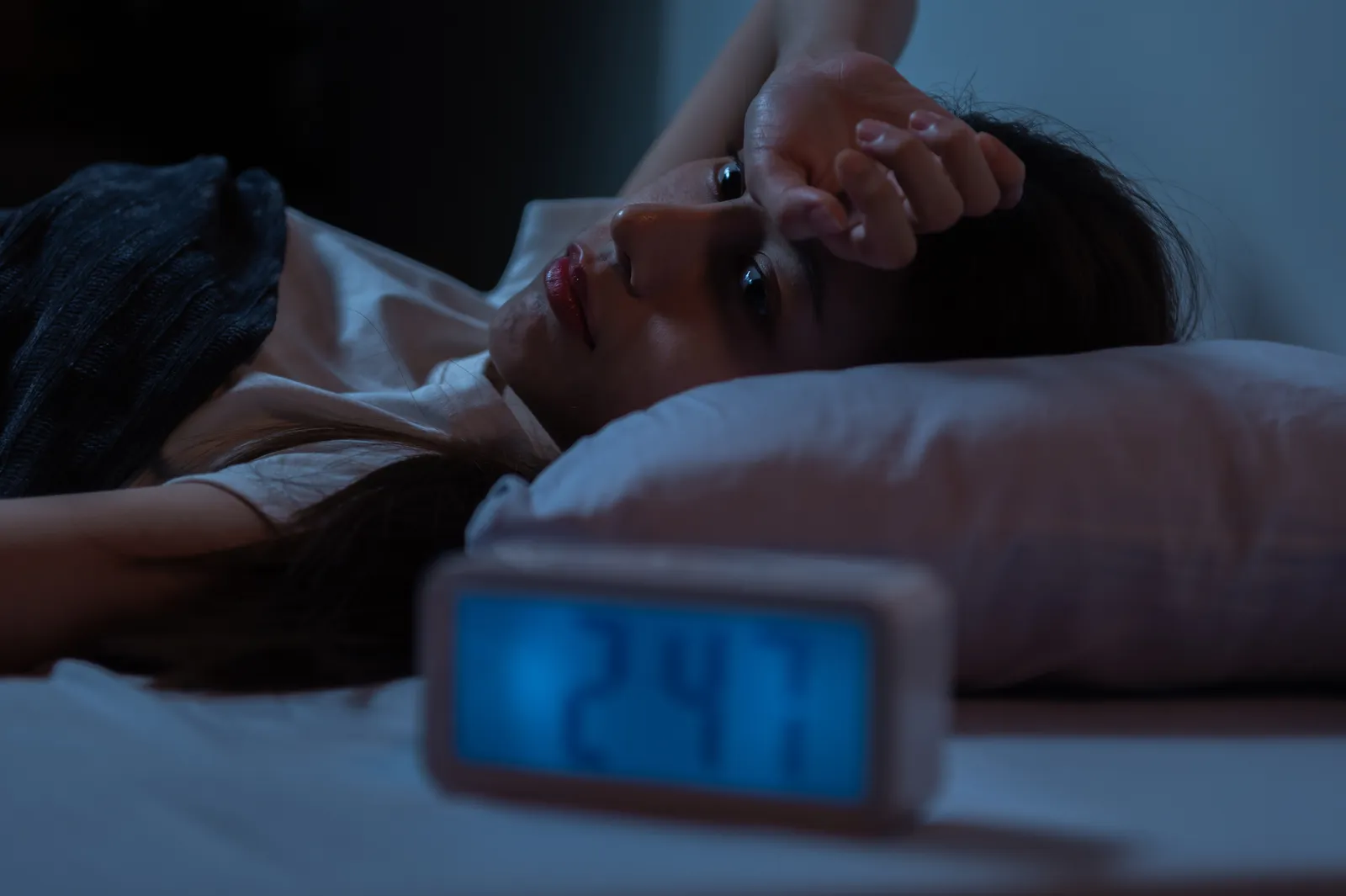
It's 11 p.m. on a Tuesday in late June. You've been in bed for forty minutes and you can't get comfortable.
The first floor of the house felt fine when you came up. The thermostat downstairs reads 72. The upstairs bedroom feels like 80. You kick off the comforter. Twenty minutes later you pull it back on because now you're cold. By 2 a.m. you've cycled through this three times and you're staring at the ceiling.
This is not bad luck. This is what an HVAC system that wasn't designed for the way you sleep does to you, every night, for years.
The connection between your heating and cooling system and your sleep quality is real, and it's bigger than most homeowners realize. Here's what's actually happening, and what to do about it.
Why Bedroom Temperature Matters More Than You Think
Your body has a circadian rhythm, an internal clock that controls when you feel awake and when you feel tired. Part of that rhythm is a drop in core body temperature that starts a couple of hours before you fall asleep and continues through the night.
If your bedroom is too warm, your body can't shed heat fast enough. You stay in lighter stages of sleep. You wake up more often. You don't hit deep sleep or REM the way you're supposed to.
According to the Sleep Foundation and Centers for Disease Control and Prevention, the ideal bedroom temperature for adults is between 60 and 67 degrees Fahrenheit.
A bedroom that holds at 75 or 78 on a humid North Jersey summer night isn't just uncomfortable. It's measurably worse for your health.
If you've ever wondered why you feel exhausted in the morning even after a full night in bed, the answer might be sitting on your thermostat.
The North Jersey Hot Bedroom Problem
Almost every older home in North Jersey has this issue.
You'll find it in:
The upstairs bedrooms in Wayne and Hawthorne colonials
The finished attic suites in Montclair Victorians
The master bedrooms in Caldwell capes that were added during 1990s renovations
The bonus rooms over garages in Bergen County splits
The dormered second floors in older Little Falls and Totowa capes where the ceiling slopes meet the walls and trap heat
The reason is almost always the same. The original HVAC system was designed for the first floor. The second floor got tied in later, often with undersized ductwork, long duct runs that lose conditioned air on the way up, or a single register trying to cool a whole bedroom.
Heat rises. Your AC pulls cool air from a return on the first floor, conditions it, and tries to push it up to the second floor through ducts that may be losing 20 to 30 percent of that air along the way. By the time it reaches the bedroom, there isn't enough of it left.
Setting the thermostat lower doesn't fix it. It just freezes the first floor while the bedroom stays warm.
Humidity Is the Other Half of the Problem
This is the part homeowners miss.
A North Jersey July night at 72 degrees and 70 percent humidity feels worse than 75 degrees at 40 percent humidity. Your body cools itself by evaporating sweat off your skin, and humid air slows that evaporation way down.
The Sleep Foundation recommends keeping bedroom humidity between 30 and 50 percent for quality sleep. Above 60 percent and you're sticky, restless, and breeding dust mites in your mattress.
A properly sized AC system pulls humidity out of the air as part of normal operation. An oversized one short-cycles and leaves the air clammy. An aging one with low refrigerant or dirty coils loses the ability to dehumidify long before it loses the ability to cool.
If your bedroom feels cool but you still wake up sweating, the problem is moisture, not temperature.
What Your HVAC System Should Be Doing at Night
A well-designed system does four things in a bedroom while you sleep:
Holds a steady temperature between 60 and 67 degrees, without big swings up or down
Keeps humidity in the 30 to 50 percent range
Moves enough air to feel fresh, without blowing directly on the bed
Runs quietly enough that the sound doesn't wake you up
If your system is missing any of these, your sleep is paying the price.
The good news is that most of these are fixable without replacing the whole system.
Signs Your HVAC Is Hurting Your Sleep
A few clear signals that the equipment is the problem, not your mattress:
The Bedroom Is Always Hotter Than the Thermostat Setting
If the thermostat says 70 and your bedroom is consistently 75 or 76, there's an airflow problem. Could be ductwork. Could be a closed or blocked register. Could be that the bedroom is on a duct run that was never sized correctly.
You Hear the System Cycle On and Off All Night
Short-cycling. The AC runs for 5 minutes, shuts off for 10, runs for 5 again. This usually means the system is oversized for the load, which sounds good but actually leaves the air humid and the temperature uneven.
You Wake Up With a Dry Throat or Stuffy Nose
Air that's too dry in winter or too dusty year-round is doing this. Your filter might be due for a change, the humidity might be out of range, or your air quality might need attention.
The System Makes Noises You Can Hear in the Bedroom
Clanking, banging, or a rattle when the system kicks on shouldn't be background noise. These are usually signs of a loose component, a failing blower motor, or duct expansion that wasn't accounted for during install.
Different Rooms Feel Completely Different at Night
One bedroom is freezing, another is hot. That's a zoning problem, and it's one of the most common complaints we hear from North Jersey homeowners.
How to Fix a Bedroom That's Stealing Your Sleep
Start With the Simple Stuff
Replace the filter. A clogged filter restricts airflow more than most homeowners realize. Change it every 60 to 90 days during heavy-use seasons, more often if you have pets.
Check the registers. Make sure they're fully open, not blocked by furniture, and that nothing's fallen behind them. Sometimes the problem is literally a sock stuck in a vent.
Set the thermostat to a real schedule. A programmable or smart thermostat can drop the temperature 30 to 60 minutes before bedtime so the room is actually at sleeping temperature when you get in bed.
Then Look at the Bigger Picture
Check the ductwork. If conditioned air is leaking into your attic before it reaches the bedroom, sealing those ducts can recover 20 to 30 percent of the airflow you're losing.
Consider a ductless mini-split for the problem room. A single-zone Mitsubishi or Fujitsu mini-split puts independent temperature and humidity control in the bedroom that needs it most. It runs quietly, mounts unobtrusively, and doesn't require tearing into walls for ductwork. As a Mitsubishi Diamond Elite Contractor, Air Temp installs these regularly for North Jersey homeowners who've given up on getting their upstairs to cool.
Add humidity control. A whole-house dehumidifier ties into your existing system and brings every room into the 30 to 50 percent range. For one room, a portable unit can do the job.
A Quick Word on Air Quality
The other piece of HVAC and sleep is what's in the air you're breathing.
North Jersey has a lot of allergens. Tree pollen in spring, ragweed in fall, dust mites year-round in older homes with carpeted bedrooms. A clean HVAC system with a fresh filter helps. A system that hasn't had its ducts cleaned in years actively pushes dust and allergens around your house every time it runs.
If you wake up congested, sneezing, or with a scratchy throat that clears up by mid-morning, your indoor air is part of the problem. A higher-MERV filter, an in-duct air purifier, or a fresh duct cleaning can make a real difference.
When Replacement Is the Right Call
There's a point where no amount of patching fixes a system that's working against you.
If your AC is 15 years old or more, if it can't keep the bedroom cool no matter what you set the thermostat to, or if your bills keep climbing for the same usage, you're throwing money at a system that's costing you sleep.
A modern variable-speed system from Trane, Carrier, or Mitsubishi runs longer at lower speeds, which is what actually pulls humidity out of the air and keeps temperatures steady through the night. Combined with proper sizing (which requires a real Manual J load calculation, not a guess based on square footage), the difference in bedroom comfort is noticeable from the first night.
North Jersey homeowners can stack multiple rebates on a heat pump install in 2026. The programs available depend on your utility provider:
NJ Whole Home Energy Solutions Program: Up to $7,500, based on your home's total energy savings
PSE&G: $900 instant rebate on a qualifying heat pump
JCP&L: $500 to $1,000, depending on system tier
NJ Natural Gas: $500 to $1,000 for air source heat pumps, with the higher amount reserved for cold-climate models
Air Temp processes the rebate paperwork on the customer's behalf so the savings come off your project cost.
Frequently Asked Questions
What's the best temperature for sleeping?
The Sleep Foundation and CDC both recommend a bedroom temperature between 60 and 67 degrees Fahrenheit for adults. Most people sleep best around 65. Infants, toddlers, and adults over 65 may do better in the 65 to 70 range. The key is consistency. A bedroom that swings between 68 and 78 over the course of the night will disrupt sleep even if the average temperature looks right.
Why is my bedroom always hotter than the rest of the house?
Almost always an airflow problem. Common causes include undersized ductwork running to the second floor, long duct runs that leak conditioned air into the attic, a single register trying to cool a room that needs two, or a system that wasn't properly sized for the upstairs load. Heat rises, so the second floor naturally runs warmer, but a well-designed system should still hold within a degree or two of the thermostat setting. A ductless mini-split or duct sealing can usually fix this without replacing the whole system.
Does humidity affect sleep?
Yes, significantly. The Sleep Foundation recommends keeping bedroom humidity between 30 and 50 percent. Above 60 percent, the air feels sticky, your body can't shed heat efficiently, and dust mites thrive. Below 30 percent, you wake up with a dry throat and irritated sinuses. North Jersey summers run humid, so dehumidification is often a bigger problem than cooling itself.
Should I leave my AC on all night?
For most homeowners, yes. A modern, properly sized AC running through the night uses less energy than one that's cycling hard to recover from a setback every morning, and it holds a steadier temperature, which is what your sleep needs. The trick is having a system efficient enough to run overnight without driving up your bill. A 15-year-old single-stage AC running all night is expensive. A variable-speed system from the last few years running all night is not.
Sleep Better Starting With Your HVAC
If your bedroom is the reason you're not sleeping well, it's a fixable problem.
Air Temp Service Co has been solving hot-bedroom and uneven-cooling issues across Passaic, Bergen, Essex, and Morris counties since 1997. Family-owned by Mario and Lori Riccobono. Mitsubishi Diamond Elite Contractor and Trane Premier Contractor. Both NJ licenses on file (HIC 13VH00127600 and Master HVACR 19HC00254600).
For a free in-home assessment of why your bedroom isn't cooling the way it should, call Air Temp at (973) 754-1232 or schedule online at airtempserviceco.com.